
Foreshore Protection Management
Council manages a variety of coastal environment areas between Shoalhaven Heads and North Durras, including many beaches and multiple estuaries. These areas are at risk of significant impacts from both urbanisation and erosion.
Council manages these issues to ensure accessibility and amenity while maintaining the environmental integrity and natural beauty our community enjoys.
To learn more about our foreshore management practice, visit the Coastal and Estuary Management Planning web page.
To receive updates about our foreshore management projects, subscribe to this webpage using the ‘stay informed’ tool in the top right-hand corner.
-
Murra Mermaids hooked on refurbished stairs
Share Murra Mermaids hooked on refurbished stairs on Facebook Share Murra Mermaids hooked on refurbished stairs on X (formerly Twitter) Share Murra Mermaids hooked on refurbished stairs on Linkedin Email Murra Mermaids hooked on refurbished stairs link
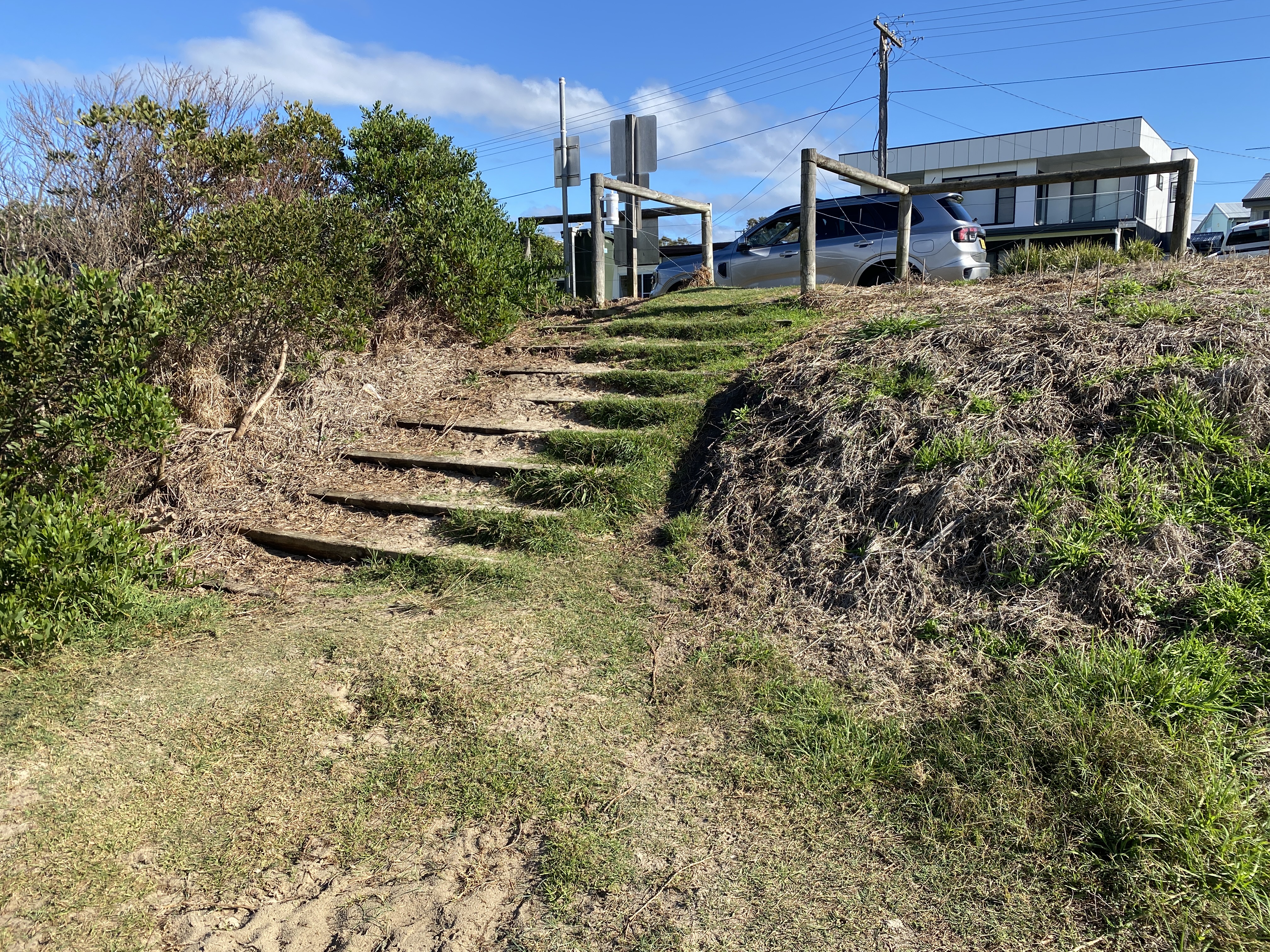
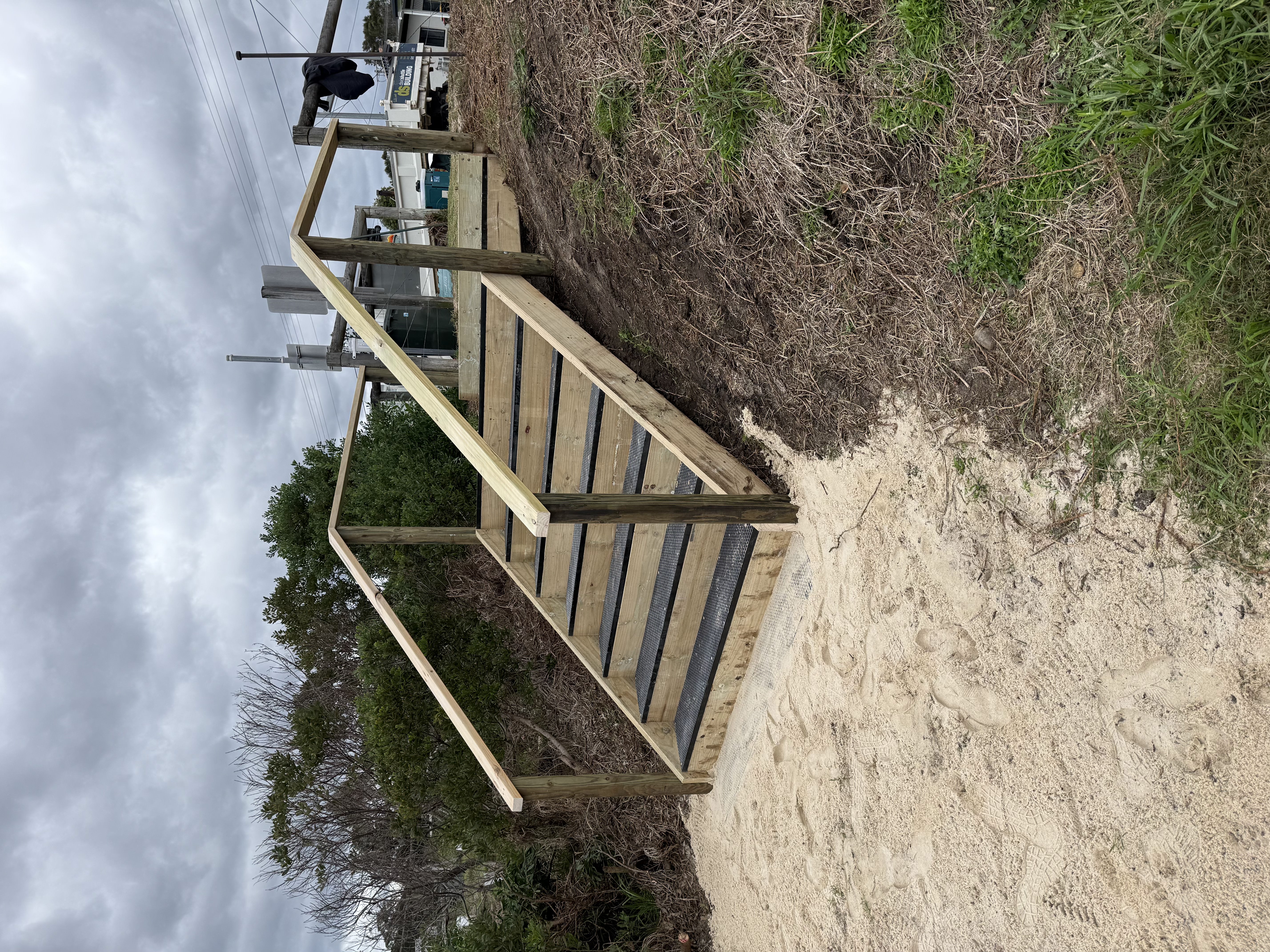
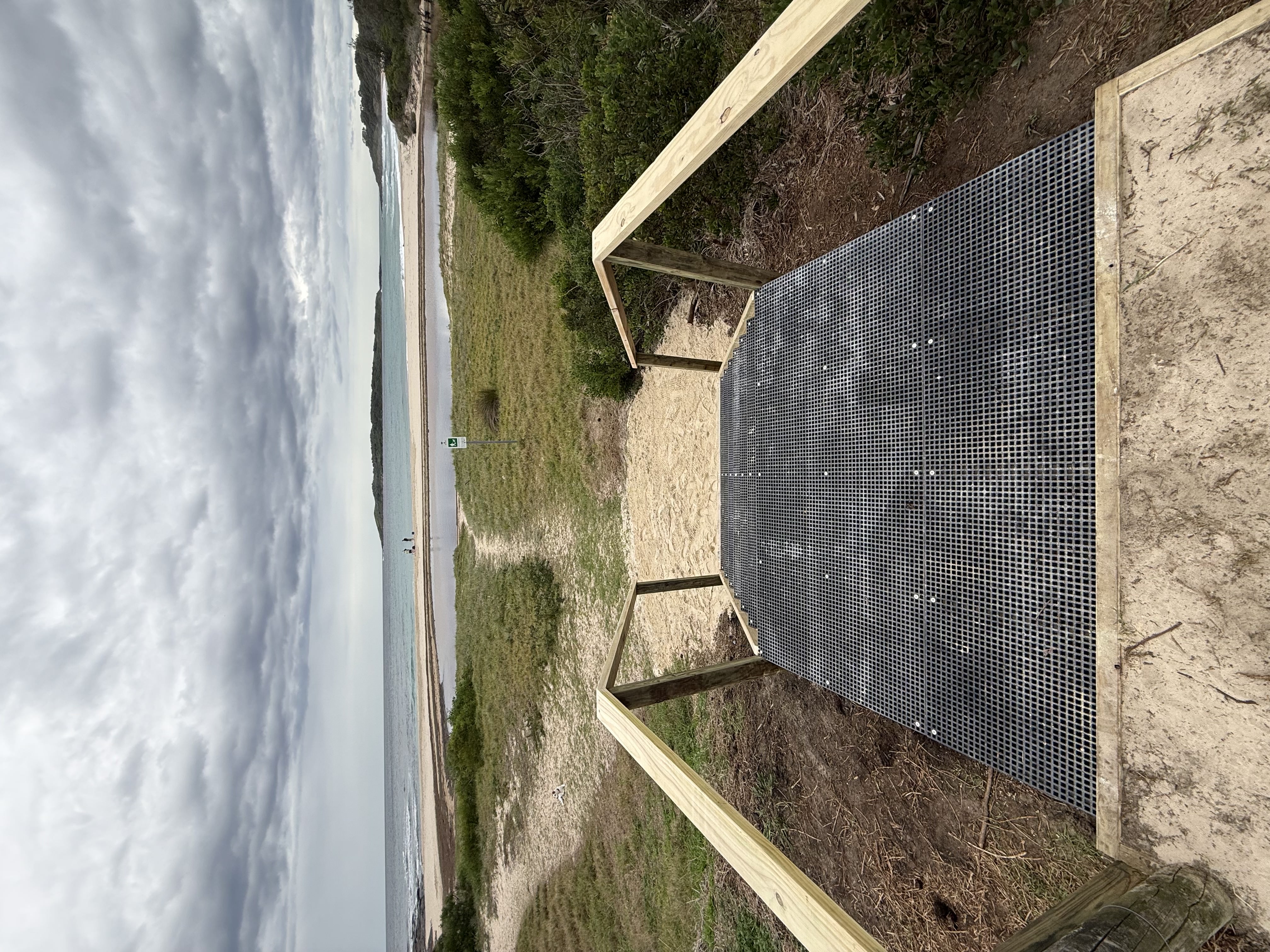
Beach access stairs at Murramarang Beach in Bawley Point have reopened following renewal and maintenance works to improve safety and usability.
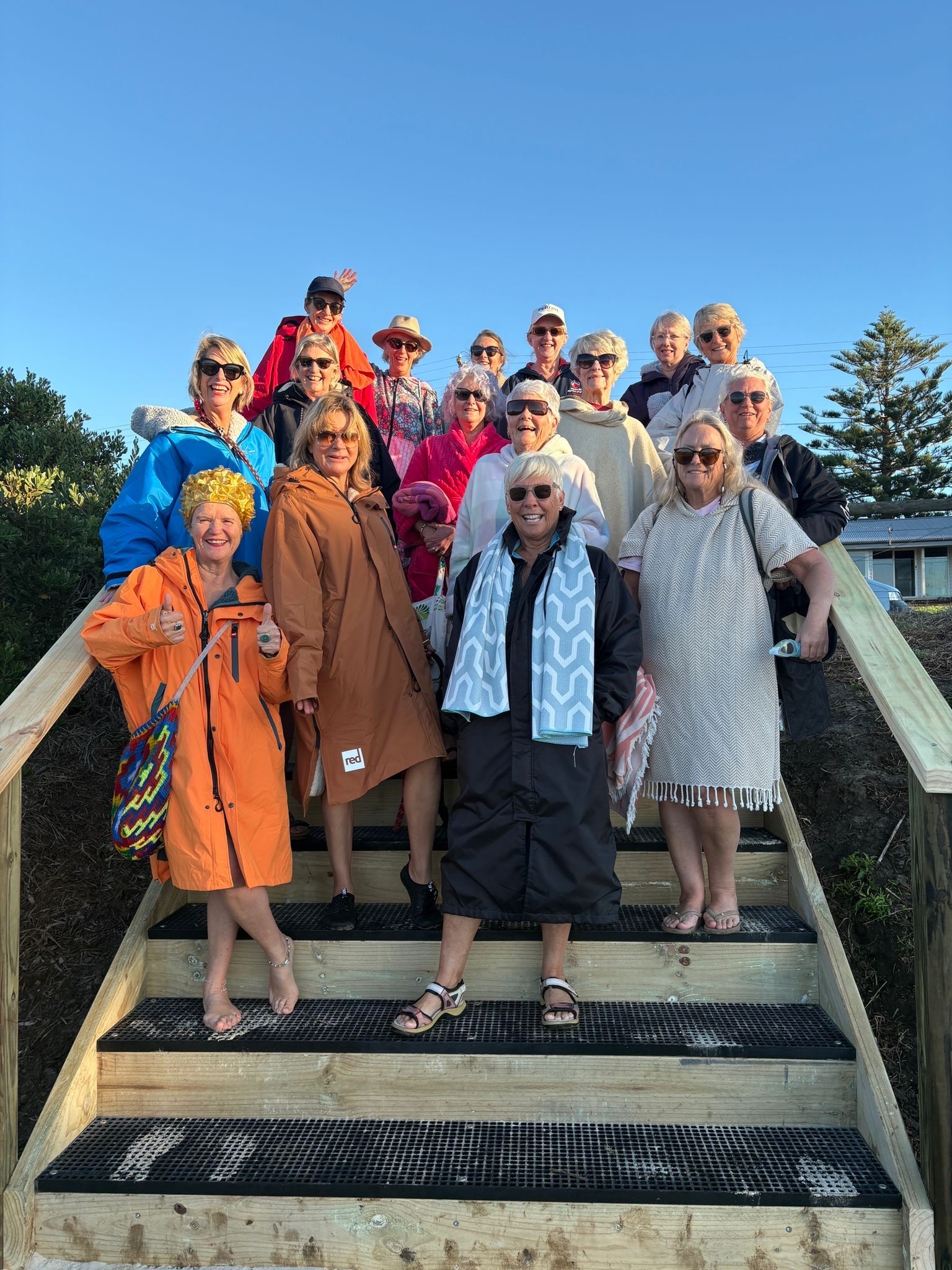
The upgrade was carried out in response to the stairs’ age and high level of community use, particularly by local swimmers the Murra Mermaids who have around 40 members visiting the beach each day. Special thanks to member Helga Hilton for the fabulous photo.
The stairs are now shipshape and ready to support safe access to the beach. A big thank you to our local residents for their patience during the works.
Before
After
-
Shoalhaven dune care projects completed
Share Shoalhaven dune care projects completed on Facebook Share Shoalhaven dune care projects completed on X (formerly Twitter) Share Shoalhaven dune care projects completed on Linkedin Email Shoalhaven dune care projects completed linkWe're now entering the second year of a three-year project that is delivering extensive coastal dune regeneration works across the Shoalhaven. The work has been partly funded by the NSW Government’s Coast and Estuaries Grant Program.
To date, we have delivered the following works.
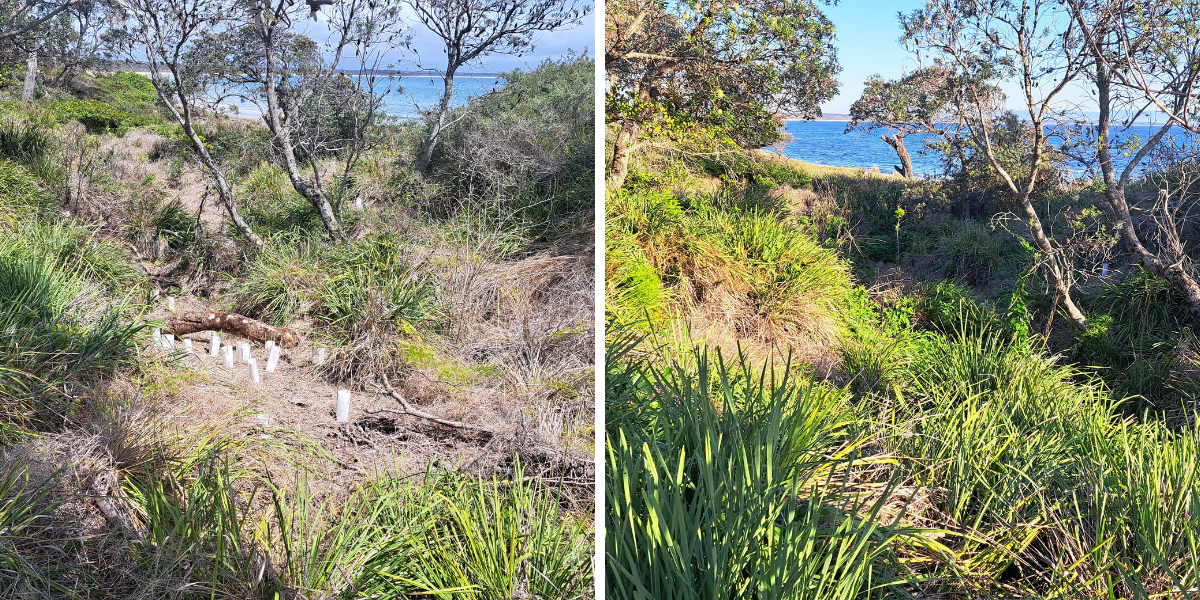
Left: Currarong Beach dune, December 2024 - Control of Asparagus weed (brown vegetation dying back) Right: Currarong Beach dune July 2025 - Native plants growing over controlled invasive weed species.
Northern region
- Primary environmental weed treatment over 12 months at Shoalhaven Heads, Culburra, Warrain, and Currarong Beaches.
- Significant reduction in targeted weed species including Bitou bush (Chrysanthemoides monilifera subsp. rotundata), Turkey Rhubarb (Rumex sagittatus) and, lantana (Lantana camara) and Asparagus (Asparagus aethiopicus).
- Revegetation measures in bare areas and locations of high erosion risk.
- Drone mapping of sites at Warrain, Currarong and Culburra as a monitoring and reporting measure for weed management.

Revegetation measures, Callala Bay. Supporting embankment stabilisation and resilience of natural area corridor.
Jervis Bay region- Delivery of bush regeneration and access track management at Collingwood, Huskisson, Hyams, Callala Bay, Callala Beach and Nelsons Beaches since October 2024.
- Targeted weed control and revegetation including in-fill planting following the reduction of weed cover across areas exhibiting low native resilience, approximately 2,000 tube stock installed in conjunction with more mature stock to enable appropriate establishment and diversification where applicable.
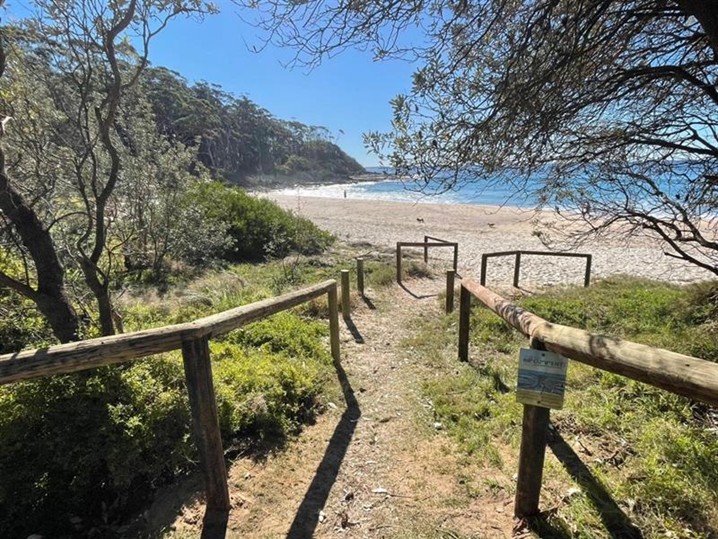
Access fence installed at Bawley Beach using recycled material to reduced pedestrian impact on sensitive dune areas.
Southern Region
- Delivery of access management and dune care across 12 individual beaches between Sussex inlet and Bawley Point since January 2025.
- Activities have focused on the primary control of targeted environmental weed species across the sites. Targeted weed species have included including Bitou bush (Chrysanthemoides monilifera subsp. rotundata), lantana (Lantana camara) and Asparagus (Asparagus aethiopicus), Cassia (Senna pendula var. glabrata). A multitude of other environmental weed species have also been treated to support native plant succession and bush regeneration.
- Access management works have been delivered to support access and amenity in balance with environmental improvement works.
As the program enters its second year, Council will be delivering continued natural area management across all sites from Shoalhaven Heads to Bawley Point to ensure ongoing weed suppression as well as native plant regeneration and establishment, to support coastal resilience and improvements to local biodiversity.
Significant positive impacts on environmental resilience, coastal protection and associated environmental and amenity preservation is being realised through delivery of this program.
-
New stairs improve access at Narrawallee Inlet
Share New stairs improve access at Narrawallee Inlet on Facebook Share New stairs improve access at Narrawallee Inlet on X (formerly Twitter) Share New stairs improve access at Narrawallee Inlet on Linkedin Email New stairs improve access at Narrawallee Inlet link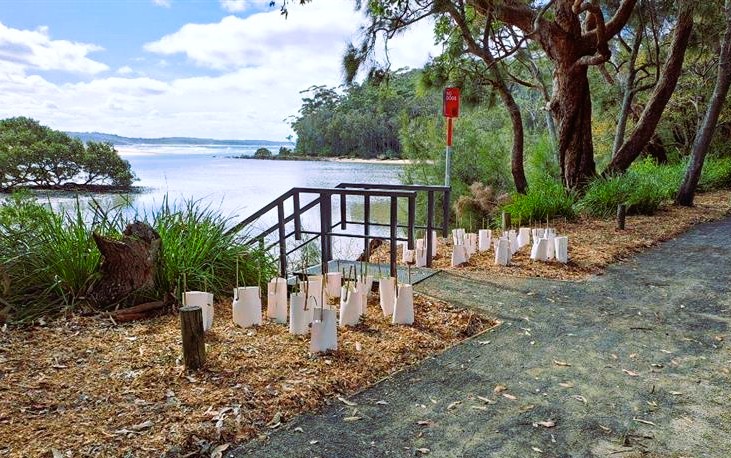
Council has completed repairs to a foreshore access point at Narrawallee Inlet. The access stairs needed repairs as they were severely impacted by stormwater runoff and erosion.
The work involved removing the damaged infrastructure and installing a new staircase to accommodate the coastal conditions. Council also planted some native tube stock adjacent to the new stairs to support embankment stabilisation and natural area regeneration. The plants were supplied by Council’s Community Nursery associated with our volunteer Bushcare program.
The works have provided enhanced public amenity and improvements to protection for the natural environment.
-
Enhancing and Restoring Estuary Threatened Ecological Communities (TECs)
Share Enhancing and Restoring Estuary Threatened Ecological Communities (TECs) on Facebook Share Enhancing and Restoring Estuary Threatened Ecological Communities (TECs) on X (formerly Twitter) Share Enhancing and Restoring Estuary Threatened Ecological Communities (TECs) on Linkedin Email Enhancing and Restoring Estuary Threatened Ecological Communities (TECs) linkCouncil has been undertaking weed management and revegetation at several locations to regenerate mapped Threatened Ecological Communities (TECs). The works were funded by a grant from the NSW Department of Climate Change, Energy, the Environment and Water (DCCEEW).
Lake Conjola
An initial 18-month program of works has recently been completed for areas located at Cunjurong Point, Fishermans Paradise, and in the sand dunes on the southern side of the Lake. TECs mapped in these areas include Swamp Oak Floodplain Forest, Bangalay Sand Forest and Coastal Saltmarsh.
The works have focussed on managing invasive weeds such as Senna, Bitou Bush and Asparagus, and replanting native vegetation found in the mapped TECs to encourage the areas to regenerate and be more resilient. Not only does this enhance the biodiversity of these ecosystems, but healthy, vegetated foreshores also play a crucial role in protecting coastal areas from flooding and erosion during storm events.
St Georges Basin
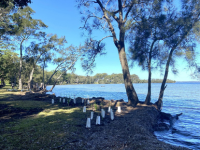
Works are underway along stretches of the Basin Walking Track in areas of mapped TECs that include Swamp Oak Floodplain Forest and Bangalay Sand Forest. Works have included planting native vegetation found in the mapped TECs to encourage the areas to regenerate and be more resilient in the face of future storms and climate change. Vegetation has been planted around existing trees on the foreshore bank in ‘bubbles’ to protect these trees and stabilise the foreshore during storm and flood events. Seaweed has also been placed around these areas to support plant growth by providing vital nutrients to the new plants.
Swan Lake
Works are underway along the foreshore of the Lake within areas of mapped TECs that include Swamp Oak Floodplain Forest, Bangalay Sand Forest and Coastal Saltmarsh. The works have focussed on managing invasive weeds such as Senna, Bitou Bush and Asparagus, and replanting native vegetation found in the mapped TECs to encourage the areas to regenerate and be more resilient. Not only does this enhance the biodiversity of these ecosystems, but healthy, vegetated foreshores also play a crucial role in protecting coastal areas from flooding and erosion during storm events.
Works have included bank restoration and stabilisation at Ski Beach using fencing, jute mesh and new plants to manage erosion. This work will also protect large tree species such as the Bangalay (Eucalyptus botryoides) and Swamp Oak (Casuarina glauca) which are key species in the Bangalay Sand Forest and Swamp Oak Floodplain Forest TECs.

Council will continue working in all these areas until late 2026 to ensure the best outcomes for these ecosystems.
-
Threatened Ecological Communities
Share Threatened Ecological Communities on Facebook Share Threatened Ecological Communities on X (formerly Twitter) Share Threatened Ecological Communities on Linkedin Email Threatened Ecological Communities link
Enhancing and Restoring Threatened Ecological Communities in Estuaries
Council received grant funding from the NSW Department of Climate Change, Energy, the Environment and Water earlier this year to undertake weed control and revegetation works in a number of Threatened Ecological Communities (TECs) identified in several Shoalhaven estuaries. These TECs were mapped by Council through another grant funded project in 2022 that identified locations where TECs were at risk from coastal hazards such as tidal flooding and erosion.
Works are being undertaken within three main TECs – the Swamp Oak Floodplain Forest, Bangalay Sand Forest and Coastal Saltmarsh. The works to be completed under this project involve weed control activities for woody and herbaceous weeds and revegetation. These works are to be completed over the life of the three-year grant funding to allow greater success in managing weeds and supporting new vegetation to establish. These works form part of the regular operations and activities in Council’s management of natural areas and support the management objectives for the land where works are scheduled.
Sites for these works include:
· Lake Conjola (Fisherman’s Paradise, Cunjurong Point and Lake Conjola Entrance)
· Sussex Inlet and St Georges Basin (Opposite Fairview Crescent and The Basin Walking Track)
· Swan Lake Foreshore
· Crookhaven River (Orient Point and Curley’s Bay adjacent to the Culburra Skate Park)
Consultation on these works has been undertaken throughout the development of Council’s various Coastal Management Programs (CMPs). The CMPs have identified that works to improve the condition of sensitive TECs in coastal environments provide an opportunity to reduce the risk of exposure to coastal hazards within these estuaries while also supporting local biodiversity.
If you have questions about these works, please contact the Coastal Management Unit at coastal.management@shoalhaven.nsw.gov.au or call Council on 1300 293 111.
-
Completed repairs to the beach access track at Inyadda Beach
Share Completed repairs to the beach access track at Inyadda Beach on Facebook Share Completed repairs to the beach access track at Inyadda Beach on X (formerly Twitter) Share Completed repairs to the beach access track at Inyadda Beach on Linkedin Email Completed repairs to the beach access track at Inyadda Beach link
Shoalhaven City Council has completed repairs to the beach access track at Inyadda Beach. The beach access track was in a degraded condition after having been severely impacted on by stormwater runoff. This resulted in erosion along the track and a deep scour at the end of the track. This project involved the repair of the beach access track via removal of damaged infrastructure and implementation of surface drainage earth works and associated revegetation activities for the purposes of public safety and environmental risk mitigation. This work has provided improved accessibility to Inyadda Beach.
Facilitation of functional public beach access from the main carpark off Lorikeet Lane has been enabled, providing enhanced public amenity, while meeting Councils obligations in terms of the management of safety and quality. The works have also provided improved protection for the natural environment, through clear access delineation and associated repair activities which aim to mitigate the impacts of erosion on the surrounding native coastal vegetation.
The patience from the community regarding the delivery of this critical repair work has been greatly appreciated. Works have been completed, and the track has been reopened for community use.
-
Project Update
Share Project Update on Facebook Share Project Update on X (formerly Twitter) Share Project Update on Linkedin Email Project Update link
The Coastal Management Unit, in collaboration with the Kioloa Bushcare group and a Council contractor, recently completed vital revegetation work at Kioloa Beach.
This project involved planting coastal dune vegetation, installing fencing and formalising beach access.
After a successful working bee, where 500 plants were installed, the contractor reported an impressive 98% survival rate.
This could not have been achieved without the dedication of the Kioloa Bushcare group. Their efforts ensure the resilience of this sensitive coastal environment against erosion and human impact.
This project has received financial and technical assistance from the NSW Department of Climate Change, Energy, the Environment and Water (DCCEEW) – Coastal and Estuary Grants Program.


-
Project Update
Share Project Update on Facebook Share Project Update on X (formerly Twitter) Share Project Update on Linkedin Email Project Update linkOver the past year, Shoalhaven City Council has successfully completed a series of Coastal Protection works at Shoalhaven Heads in response to significant erosion events that have impacted the site since late 2021. The initiative included beach nourishment activities, ongoing management of fencing, and strategic revegetation efforts.
The most recent stage of works, completed in October 2023, addressed erosion events impacting public access to the area. Through beach nourishment, weed control, and revegetation, the works complete mitigated immediate risk to public and the coastal environment.
These efforts were made possible with the support of the NSW Government’s Coast and Estuaries Grant Program, showcasing a 1:1 funding agreement with Shoalhaven City Council. Successful coastal management implemented at this location has ensured successful outcomes for the community and improved resilience of our valued coastal area. Council acknowledges the contribution of all stakeholders involved.

-
Narrawallee and Mollymook Dune Care
Share Narrawallee and Mollymook Dune Care on Facebook Share Narrawallee and Mollymook Dune Care on X (formerly Twitter) Share Narrawallee and Mollymook Dune Care on Linkedin Email Narrawallee and Mollymook Dune Care link
The natural dune systems at Narrawallee and Mollymook Beaches have been historically affected by coastal erosion events, weed invasion, urbanisation, historical clearing of dune vegetation, vegetation vandalism, and informal beach access tracks. Council is undertaking a dune care project to improve the resilience and biodiversity of these dune ecosystems that will enhance the heath and amenity of Narrawallee and Mollymook Beaches.
The dune environments at Narrawallee and Mollymook are characterised by low lying shrubs and grasses, with some larger tree species interspersed throughout the hind dune. The dune vegetation at both sites contains areas of the Threatened Ecological Community (TEC) Bangalay Sand Forest. This vegetation community and surrounding areas are being impacted on by woody weeds including Cassia (Senna pendula) and priority weeds such as Bridal Creeper (Asparagus asparagoides) and Asparagus Fern (Asparagus aethiopicus). Works conducted as part of this project will aim to expand and improve upon the condition of these TECs and enable greater resilience for protection into the future.
Council will be implementing management measures to reduce the large extent of invasive weed presence on these dune areas and will include revegetation with native dune species to increase the native biodiversity of the area and promote healthier, stronger dune systems. To complement these works, maintenance will be carried out on many of the beach access tracks to improve conditions for public use. Initial priority works will proceed up until the Christmas Holiday period (2023/24) and will be followed by six months of maintenance to ensure the establishment of revegetation areas and provide results for long-term weed suppression.
The target area for the work is the coastal dunes along the length of Narrawallee and Mollymook beaches and will extend inland to allow for weed control and revegetation to take place throughout adjacent TECs.
This coastal dune management project is being supported by the NSW Government’s Coast and Estuaries Grant Program, with a 1:1 funding agreement with Shoalhaven City Council.



-
 Importance of Dunes and Foreshore Vegetation along the coastline
-
 Foreshore Protection and Preservation – Community Education Program 2023
-
Phone 1300293111 Email coastal.management@shoalhaven.nsw.gov.au